Angel: the song that was never meant to be
In 1973 a young singer in Kingston recorded a light love song. A quarter of a century later he sang it again in a London studio, and it became one of the darkest, heaviest songs of the decade. In all the years since, it has never been used up.
20–30 minutes, with sound
Massive Attack, “Angel”, 1998
Angel
The song that was never meant to be
In 1973 a young singer from Kingston recorded a love song, light and unhurried. Nearly a quarter of a century later, in a London studio, he sang it again, though no one had planned that song for the album. It became one of the darkest and heaviest songs of its decade, and in all the years since it has never been used up.
Kingston, 1970
A new name
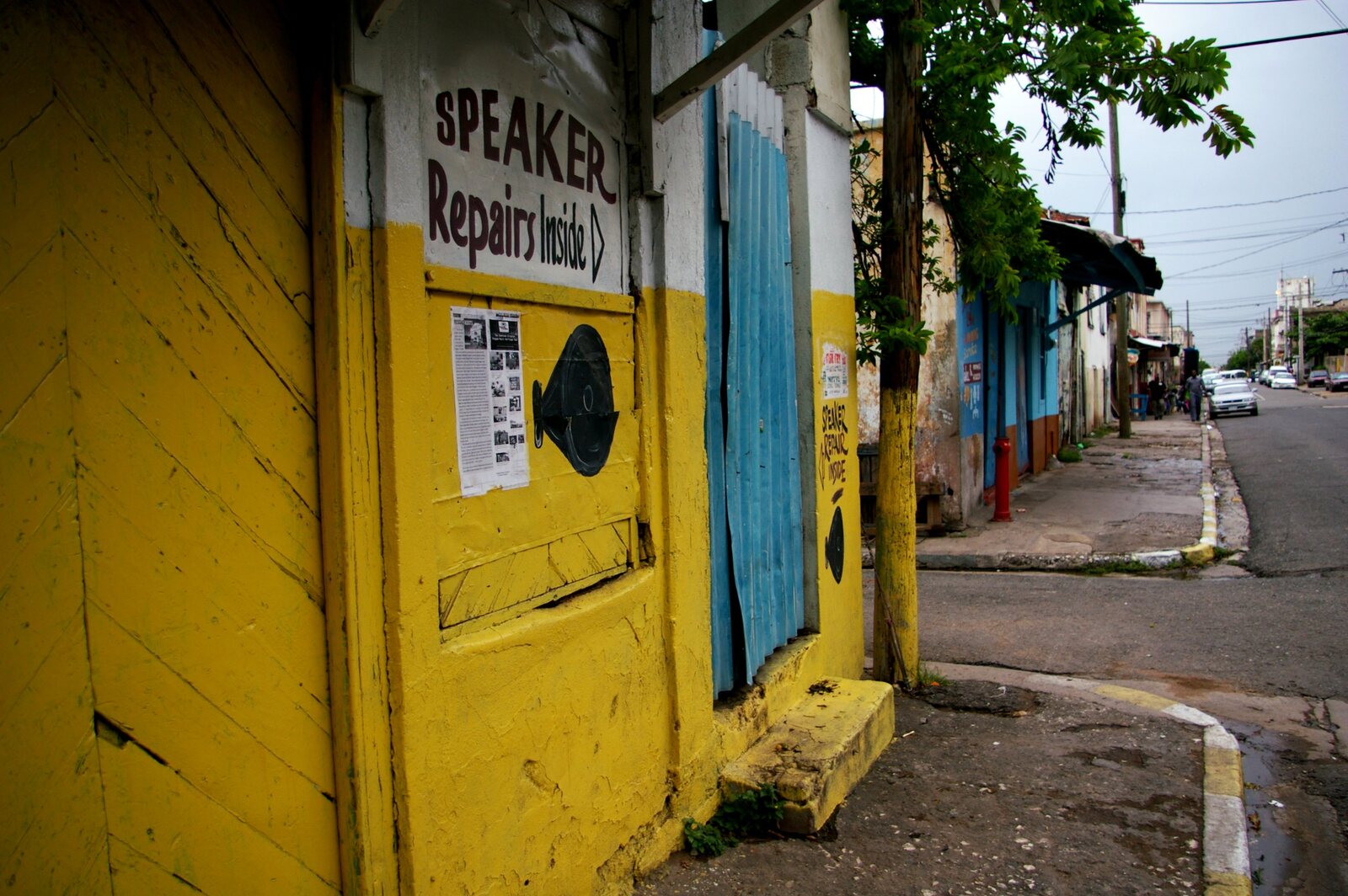
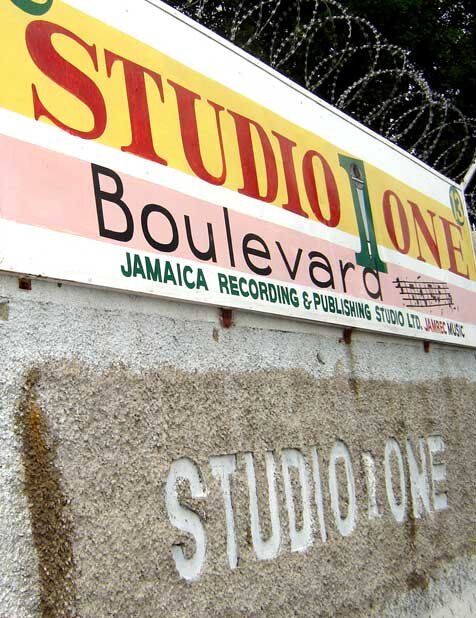
Horace Hinds was born in Kingston, Jamaica. His cousin Justin Hinds was already a singer, and the boy boasted of him whenever Justin came on the radio. He listened to American soul first, and only later to Jamaican singers; Alton Ellis let him play his guitar. In 1970 he auditioned at Studio One for Clement Dodd, known as Coxsone, and sang him a song of his own, “Got To Be Sure”. Dodd gave him a new name, Horace Andy, after the singer Bob Andy, and also so that no one would compare him with his cousin.
Andy would later call Studio One his “school, my college, my university”. There he recorded “Skylarking”, which became his signature song and a number one in Jamaica.
1973
You Are My Angel
In 1973 his song “You Are My Angel” came out, in Jamaica as a small seven-inch on the Soul Sound label, and in England as the title track of an LP on Trojan. The producer was Bunny Lee, the sleeve names King Tubby's as the studio, and the songwriter credit is Andy's own. It is a love song, light and unhurried.
By his own account, Andy was never paid for this song. Half a century later he said that Bunny Lee was not a producer but a financier, who never paid him and sold his recordings to Trojan. Answering him, the company BMG said that those licences had expired long ago.
Bristol and London
“It turned out it was me”
For Grant Marshall, known as Daddy G, of the Bristol group Massive Attack, Horace Andy was his favourite reggae singer. Andy himself was living in London by then. One day, on his way home to Peckham, he heard that some group was looking for a singer, “and it turned out it was me”. Daddy G sent him a cassette, and with the keyboard player Caroline Williams Andy wrote “One Love” for the group's first album, “Blue Lines”, in 1991. He has sung on every Massive Attack album since; no other guest vocalist of theirs can say that.
No reggae producer, Andy says, ever let him sing the way Massive Attack do.
Bristol, 1997
Three people in different rooms
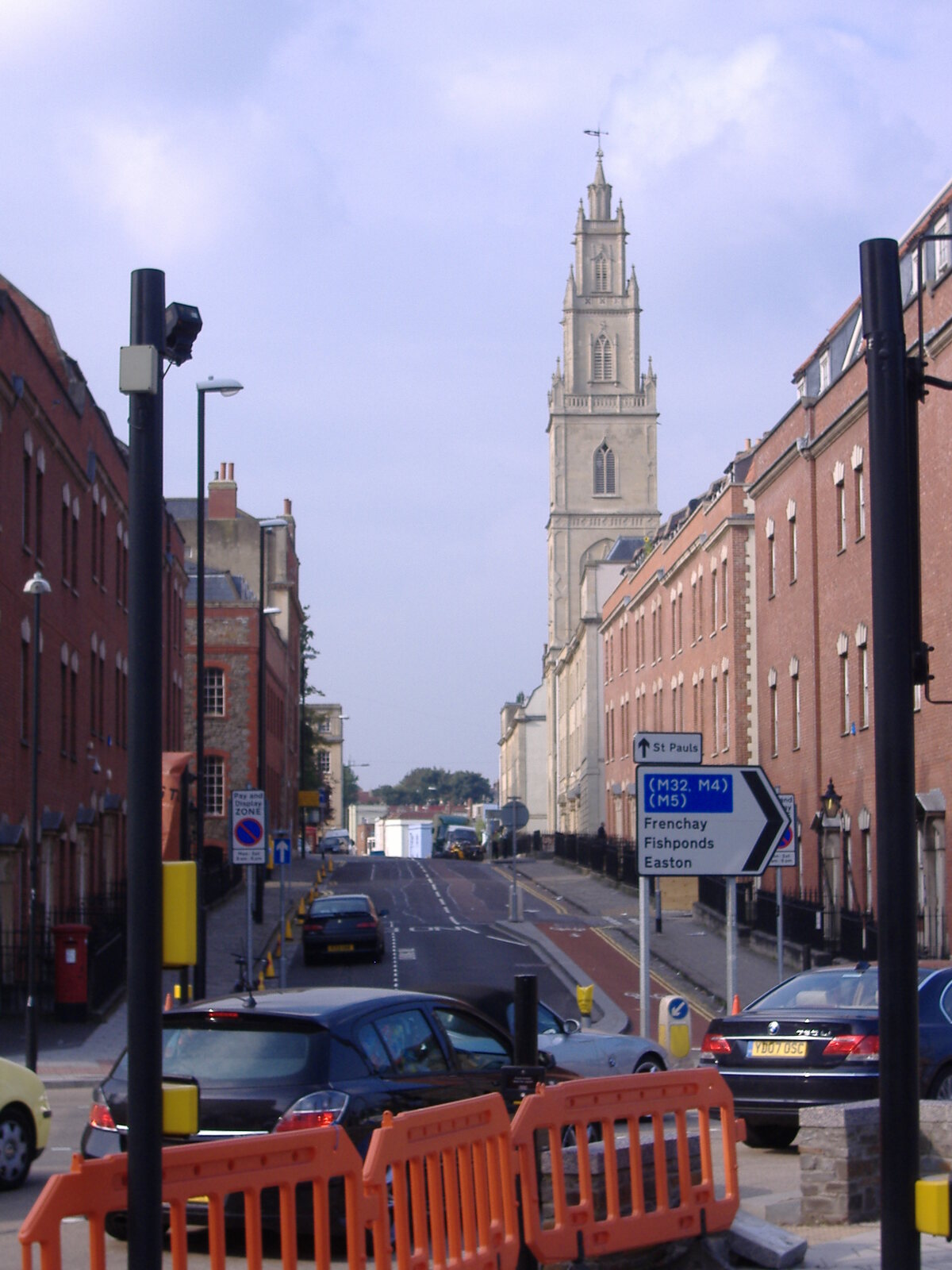
By the third album there were three people left in Massive Attack: Robert Del Naja, Grant Marshall and Andrew Vowles. The producer Neil Davidge became almost a fourth member; he was hired for six months and stayed, he says, for three years. They recorded in Bristol, in the band's own studio and at Christchurch Studios, and for a while in a holiday cottage in Cornwall.
Work on the album went badly. The members of the band wrote their parts separately, recorded separately and gave interviews separately, and the manager texted Davidge to schedule who could use Christchurch when. Del Naja pulled the sound towards post-punk, and Vowles asked whether they had become a punk band. What finally broke them was “Teardrop”, which Vowles secretly sent to Madonna while the others wanted Elizabeth Fraser of Cocteau Twins to sing it. In the end Fraser sang it. Two decades later Marshall said that the album was bound up with a great deal of bad feeling for him, and Del Naja described that work in two words: the fight. And Vowles soon left the band.
London, Olympic Studios
A song that was not in the plan
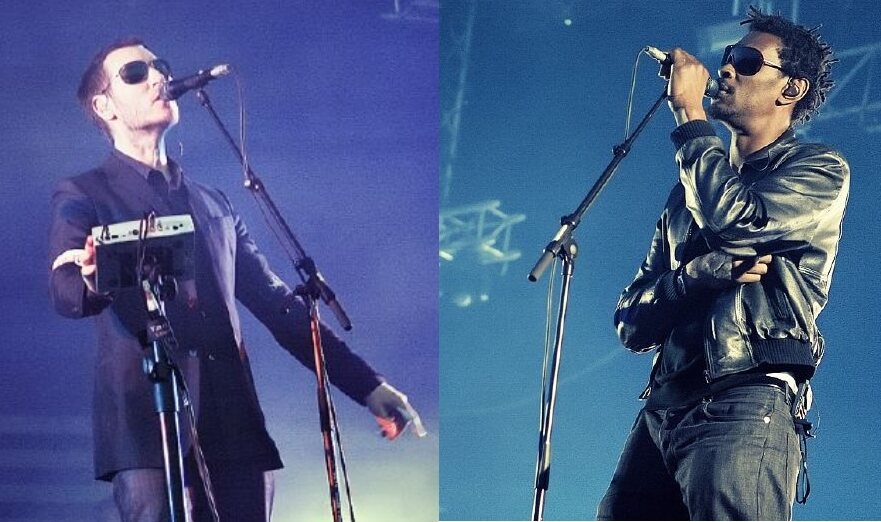
The song “Angel” was not in the original plan for the album. Neil Davidge says it was plucked out of thin air during a mixing session at Olympic Studios in London. The idea had been to make a kind of cover of The Clash's “Straight to Hell” with Horace Andy singing, but Andy was not keen on singing the word “hell”.
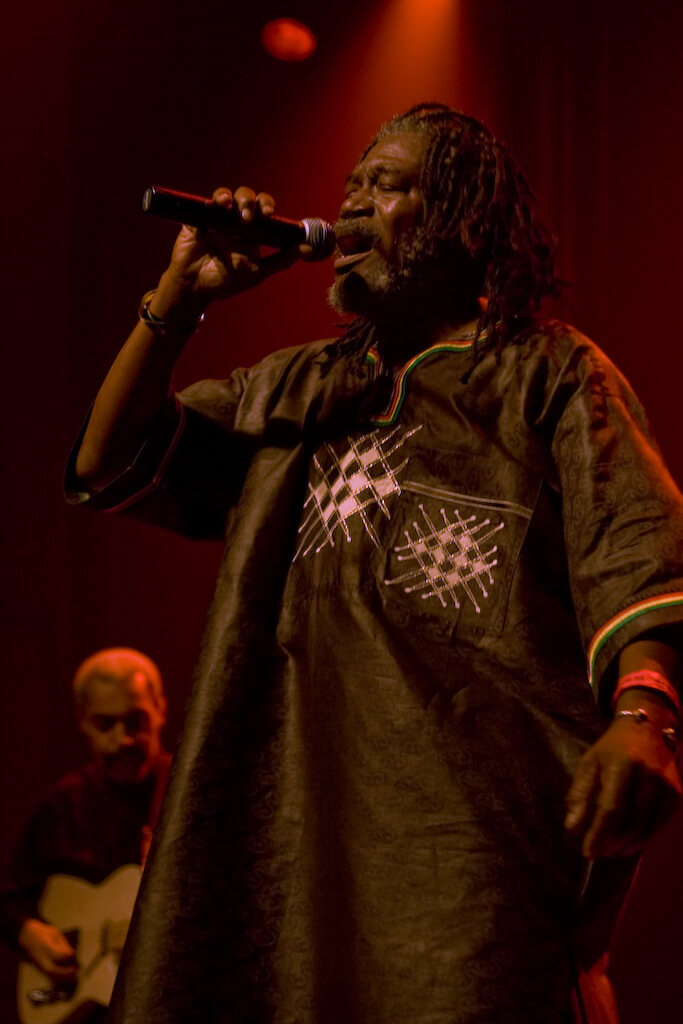
So, as Del Naja told it, they stripped the music down almost to nothing and followed what Horace himself suggested: instead of The Clash's song he sang a melody and words taken largely from his own song of 1973, “You Are My Angel”. When Andy first sang the song in the studio, Davidge remembers, all he could say was that it was magic. As for “Straight to Hell”, Andy did record it after all, twenty years later: he released it in 2017 together with Big Youth.
The voice
Andy has a high falsetto that people know from the first note, and long notes with a low, slow vibrato. On “Mezzanine”, the AllMusic critic wrote, he went far beyond the familiar bounds of reggae. The Guardian writes that his declaration of love, which he repeats over and over in this song, is impossible to forget.
What the song is made of
At first the song was put together on a computer: its rhythm and parts were programmed rather than played. Davidge describes going through parts and samples and throwing them out one after another. Then live musicians played over that computer draft, among them the guitarist Angelo Bruschini, and suddenly, Davidge says, it was something dark, made for a club and romantic all at once, with very heavy guitars and drums.
Even that was not yet the final version. At the final mix at Olympic they decided to bring in one more bass line and changed the rhythm patterns, so that, says Davidge, it was certainly no longer the song they had recorded before the mix. The credits name four writers, Del Naja, Marshall, Vowles and Hinds, that is, Horace Andy. The song runs six minutes and eighteen seconds, and its opening rests on a bass you feel in your body more than you hear: the hi-fi magazine What Hi-Fi? has long kept it among its regular test tracks for subwoofers.
In the middle of the song Angelo Bruschini's guitars come in, and the sound, which until then rested on the bass, the drums and the voice, turns dense and heavy. A love song of 1973 sounds here like what the AllMusic critic called perhaps the darkest and heaviest song Massive Attack have ever recorded.
The album “Mezzanine” came out on 20 April 1998 and went straight to number one in the British charts. The single “Angel”, released on 13 July, got no higher than number thirty and fell to sixty a week later. It never became a hit in the usual sense, which makes it all the more remarkable that this is the song the band would go on to play in concert more than any other.
The video was directed by Walter Stern for Academy Films; for Massive Attack he also made the videos for “Risingson” and “Teardrop”. In it a man gets out of a car in a multi-storey car park, and one person, then two, then more and more begin to follow him. He walks faster, goes out into the open, the crowd keeps growing, and at the end he stops and turns to face it.
The sleeve
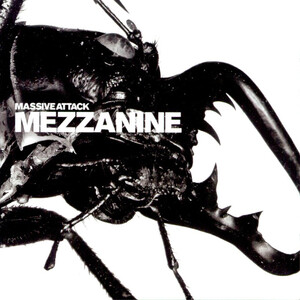
The sleeve of “Mezzanine” is a black stag beetle on white. The photograph is by Nick Knight; the art direction and design are by Robert Del Naja and Tom Hingston. The Museum of Modern Art in New York keeps the sleeve in its architecture and design collection.
Other people's screens
Soon film and television began to use the song. In Guy Ritchie's “Snatch” of 2000 it plays in the amusement arcade and in the scene where a caravan burns, and it is on the soundtrack album. The Guardian writes that three songs from “Mezzanine”, “Angel”, “Teardrop” and “Inertia Creeps”, were later taken up by countless film and television directors.
Afterwards
A song still being played
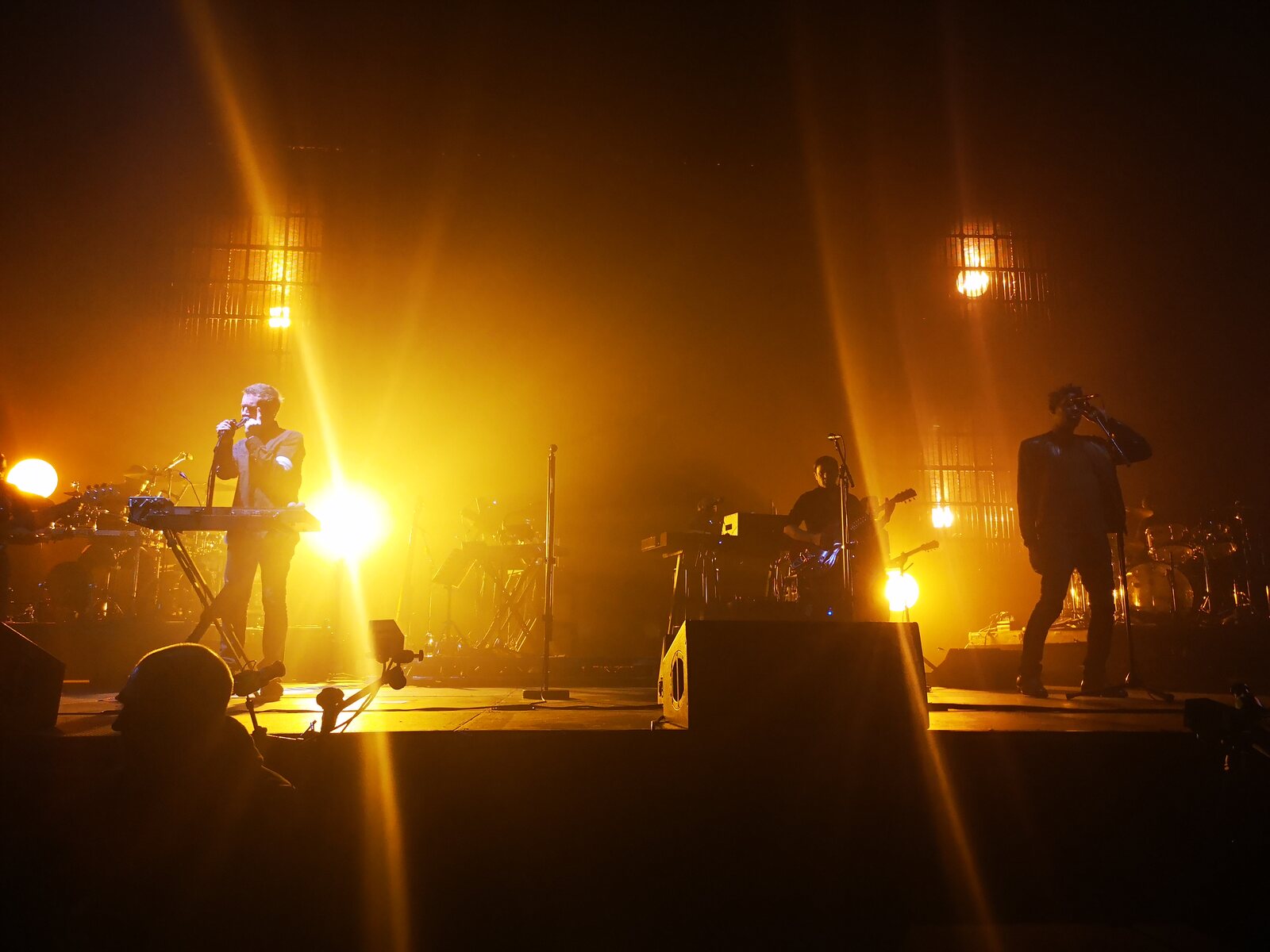
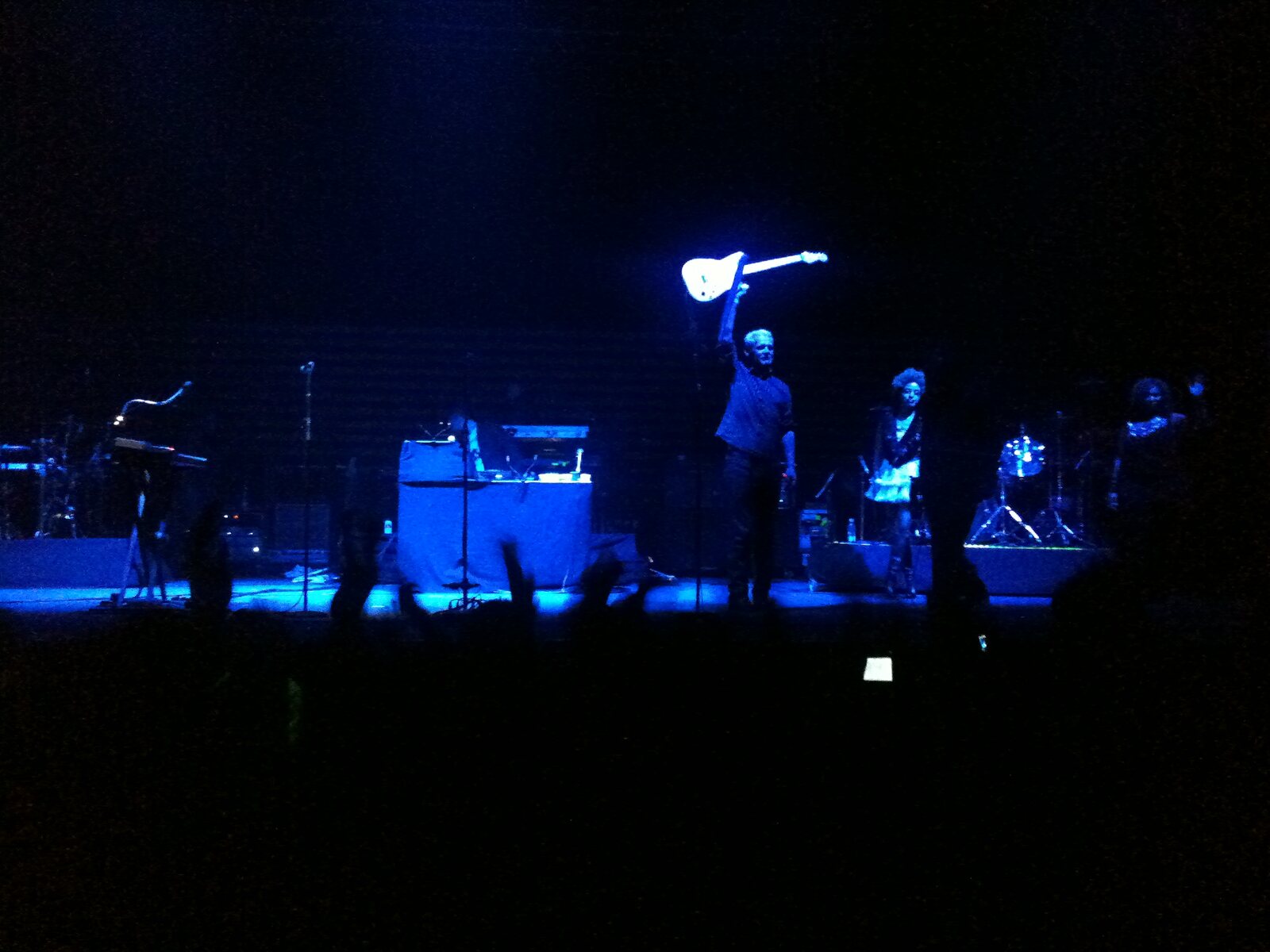
The band first played “Angel” at a concert in Berlin on 8 July 1997, months before the record came out, so the song's life on stage began before anyone could buy it. By the fans' count on setlist.fm the band has played it in concert nearly five hundred times, more often than any other song of theirs. The latest of those concerts was in Melbourne in August 2026.
The dub version that Mad Professor made of it in 1998 was shelved, and it came out in full only in 2019, twenty-one years later. The song has been covered by Sepultura and by The Dillinger Escape Plan; Tame Impala played it in concert; the Norwegian band Leprous put it out as a single; and in 2026 Grian Chatten of Fontaines D.C. sang it for the “Peaky Blinders” film.
And Horace Andy still sings it with the band. In June 2025, in his seventies, he sang it at their concert in London, and reviewers named it a high point of the night.