Sea Lion Girls: how two young women from Mississippi sang a song the whole world knows
In 1939 two sisters sang a children's ring game for a folklorist, who cut it onto a disc. Later the song was taken up by Nina Simone, house DJs, Kanye West and Massive Attack, and the records named other people as its author.
35–45 minutes, with sound
Byhalia, Mississippi, 13 May 1939
The whole world knows this song. Nina Simone sang it, house DJs remade it again and again, Kanye West and Massive Attack built tracks on it, and it plays in films, series and video games. But the earliest recording of it that has come down to us is sung not by stars but by two young women from a small town in Mississippi, Christine and Katherine Shipp. Their names are on almost none of those records. This is the story of how their song went round the world while they themselves stayed unknown.
This story has sound. It comes on when you knock at the door: quiet claps will play under the text, and in some scenes you can clap along with its heroines. The button at the top of the screen turns the claps off and on again.
Before 1939
A game in a circle
Long before anyone began to record such songs, African American children in the American South played them in schoolyards. The players stand in a ring and one of them leads: the leader sings a line and the whole ring answers in chorus. The leader’s lines change, while the ring’s answer stays the same from line to line.
This is how it goes in the song this story is about. The leader begins: “See lie woman”, and the ring answers: “See lie”. She sings: “She drink coffee”, and the ring again: “See lie”. Then: “She drink tea”, and once more: “See lie”. And so on: every line of the leader’s gets the same answer.
While the voices sing, everyone claps and stamps. The count goes in fours and the clap falls on the second and fourth beats: one, quiet; two, clap; three, quiet; four, clap. There are no instruments in such a game: the players’ hands and feet keep the time. The Shipps later explained that the answer, “See lie”, was called out during the game as a signal to move.
In 1972 Bessie Jones, a singer from the Georgia Sea Islands, and the folklorist Bess Lomax Hawes published “Step It Down”, a book that collects such games and explains how they are played. The clapping of the whole group, they wrote, is the real “music” that goes with all these games.
This exchange between one voice and a chorus links these games to African musical practice. But where this particular song came from before it reached Mississippi, and who first sang it, we do not know. Nobody composes playground games: children pick them up from one another and play them the way they were played before.
Under this scene that rhythm is playing quietly, still without voices: a clap on two and on four. If you cannot hear it, press “Turn the clap on”.
The expedition
In the 1930s the Library of Congress in Washington set out to record the songs ordinary Americans sang before they were forgotten. It sent folklorists with recording machines on journeys through the South, and the Federal Writers’ Project, a government programme that gave writers work during the Depression, helped them find singers in villages and small towns.
In the spring of 1939 the folklorist Herbert Halpert set off on such a journey. He drove an old army ambulance that had been turned into a studio on wheels: the machine inside recorded sound straight onto discs. In Mississippi his guide was Abbott Ferriss of the Writers’ Project, who took notes and photographs. In May they reached the small town of Byhalia.
Byhalia
13 May 1939
On the thirteenth of May Halpert and Ferriss knocked at the house of John Shipp and his wife, Luella. The couple opened the door to two strangers. The visitors had come not for them, though, but for the singers of the family: John’s mother, Mary Shipp, and her children.
The family
That day Halpert recorded Mary Shipp and four of her children: her sons Isaac and Allison and her daughters Christine and Katherine. They sang for him not at home but at their church, which was called Nichols Chapel.
And then the two sisters, Christine and Katherine, stepped forward.
The minute
Christine was twenty and Katherine eighteen, and they sang “Sea Lion Woman”. The recording lasts about a minute: two voices and no instruments. The Library of Congress still keeps it.
This is the same ring game, only there is no ring here: just two voices. One sister leads and the other answers for the whole ring. Nobody taught them the song from notes: like any playground game, they picked it up from other children.
Clap along with the sisters: tap the circle or press the space bar whenever you want to clap. Each clap leaves a dot on the circle, and ink spreads in the picture where the sisters’ hands meet. Your claps are kept, and at the end of the story they will sound together with the children’s.
What the name means
A sea lion is the animal, so the title “Sea Lion Woman” reads as “the sea lion woman”. But listen to the 1939 recording and there is no sea lion in it. The sisters sing “See lie woman, see lie”, and that does not translate: “see” and “lie” side by side make no sense.
The singers never looked for a meaning in it. “We just wanted to have something to be saying,” Christine explained. Another person Ferriss talked to put it more briefly still: “It’s just a word we use.”
So where did the sea lion come from? From paper. Abbott Ferriss wrote the words down in his notes as “Sea Lion Woman”, and the sisters later spelled them the same way, though they went on singing “see lie”. Herbert Halpert, who made the recording, called that spelling “a beautiful example of folk etymology”: a phrase that means nothing is reshaped into familiar words that sound like it, and “see lie” turns into a “sea lion”.
There is another reading. When the recording first came out on disc in 1942, the booklet printed the answer as “see-line” and asked in a footnote whether it might be “see lyin’”. The line would then mean “see the lying woman”: a woman who spreads gossip. Stephen Wade, who reissued the recording in 1997, also thinks this possible. There are bolder guesses too: that “Sea Line” is the Seaboard Coast Line, a Southern railroad, or that “C-Line” was a code name for one of the secret routes by which people escaped from slavery. None of these guesses is backed by any evidence.
In Nina Simone’s song the woman of the game is someone else. She still drinks coffee and tea, but new verses have appeared: in “See-Line Woman” she is “dressed in red” and makes “a man lose his head”. The children’s game has become a song about a dangerous woman.
So the song ended up with three names. “See lie” is how the Shipp sisters sang it. “Sea Lion” is how Ferriss wrote it down: under that name it came out on the Library of Congress record of 1942 and on the B side of Simone’s single, and later, as “Sealion”, from Feist. “See-Line” is what Nina Simone called her version in 1964, and almost everyone who followed her, from Yusef Lateef to Masters At Work, kept that spelling.
1942
Three years later the Shipp sisters’ minute came out on disc. In 1942 the Library of Congress issued a set of 78-rpm records called “Afro-American Blues and Game Songs”, and their recording was in it.
The same set holds the first recordings of a young man from the Mississippi Delta named McKinley Morganfield. Very soon the world would know him as Muddy Waters.
By 1948 a copy of the album had crossed the Atlantic to the Musée de l’Homme in Paris. The Shipp sisters’ voices had travelled further than the sisters themselves would ever go from home.
Paris
Washington
1964
Twenty-five years later the song was offered to Nina Simone by the poet Langston Hughes. His secretary, George Houston Bass, had adapted the old folk song, and Hughes sent it to Simone with a note that it suited her particularly well, as if it had been made for her.
In 1964 Simone recorded the song for the album “Broadway-Blues-Ballads”. She spelled the title her own way, “See-Line Woman”, and the record credits the arrangement to her. With drums and syncopated handclaps, the children’s game became a concert number.
Simone had trained to be a classical pianist: she played Bach and studied at the Juilliard School, but the Curtis Institute turned her down. And so a children’s game that the Shipp sisters had once sung in a church in Mississippi came into the hands of a classically trained pianist brought up on Bach.
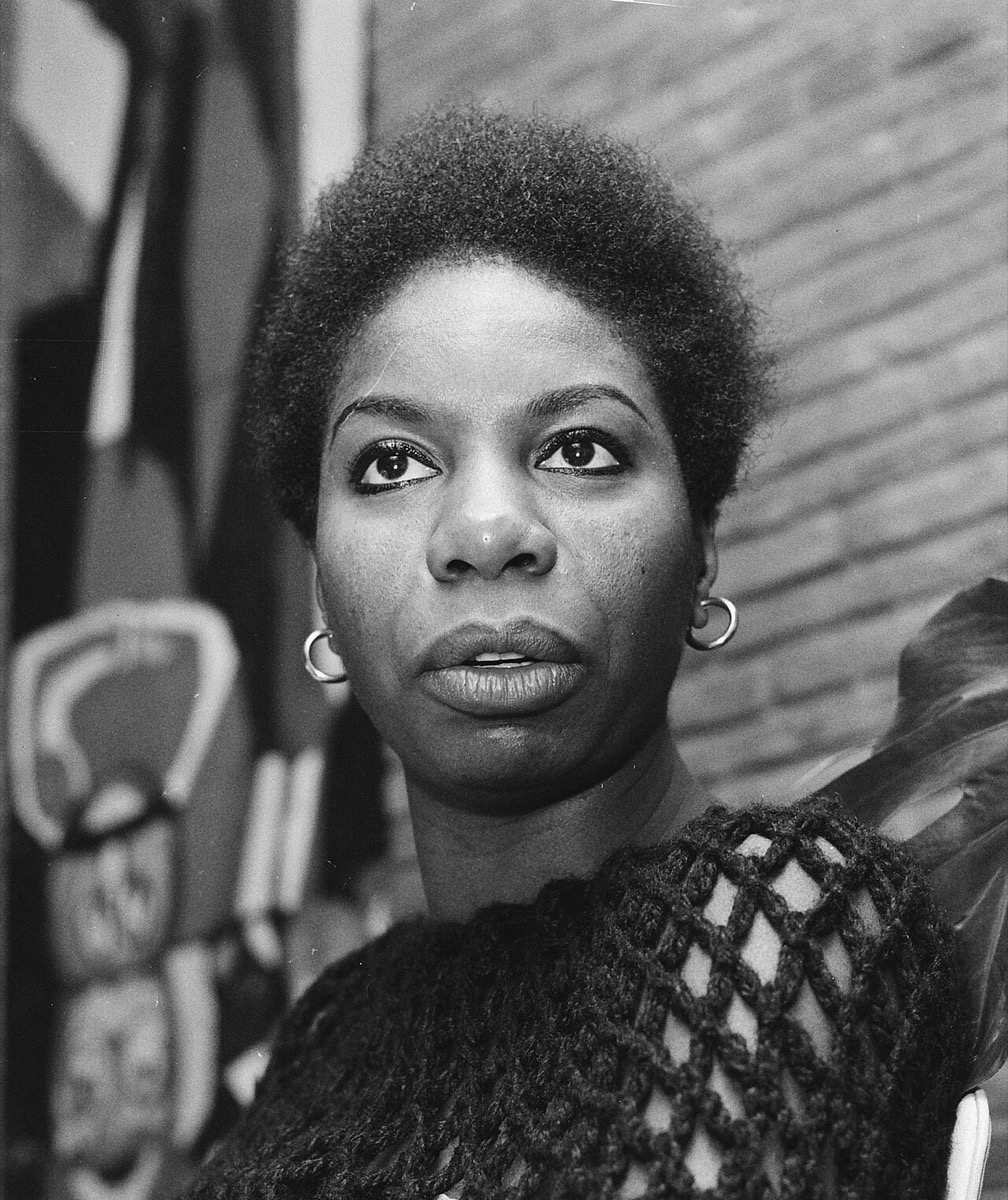
July 1964
In July 1964 the song also came out on a single. The A side was “Mississippi Goddam”; “Sea Lion Woman” was on the B side, spelled the old way, as it had been written down in 1939.
Simone wrote “Mississippi Goddam” in 1963, after Medgar Evers was murdered in Mississippi and a church was bombed in Birmingham, Alabama.
So one record carried an angry protest against what was being done in Mississippi and a game sung by two young women from that same Mississippi.
Mississippi Goddam
Sea Lion Woman
Written by George Houston Bass
The label of the B side names one author: George Houston Bass. The names of Christine and Katherine Shipp, who sang the song in 1939, are not there.
The man on the label
From 1959 to 1964 George Houston Bass was secretary and literary assistant to Langston Hughes, the poet who suggested the song to Nina Simone. Later Bass founded the Rites and Reason theatre at Brown University, and he died in Providence in 1990.
Bass registered the copyright in the song. Ever since, where a record names an author, it has usually been him, and the names of Christine and Katherine Shipp appear nowhere. In 1965 Hughes himself wrote to a friend about “my ex-secretary’s SEA LION WOMAN”, which Simone was singing at every concert.
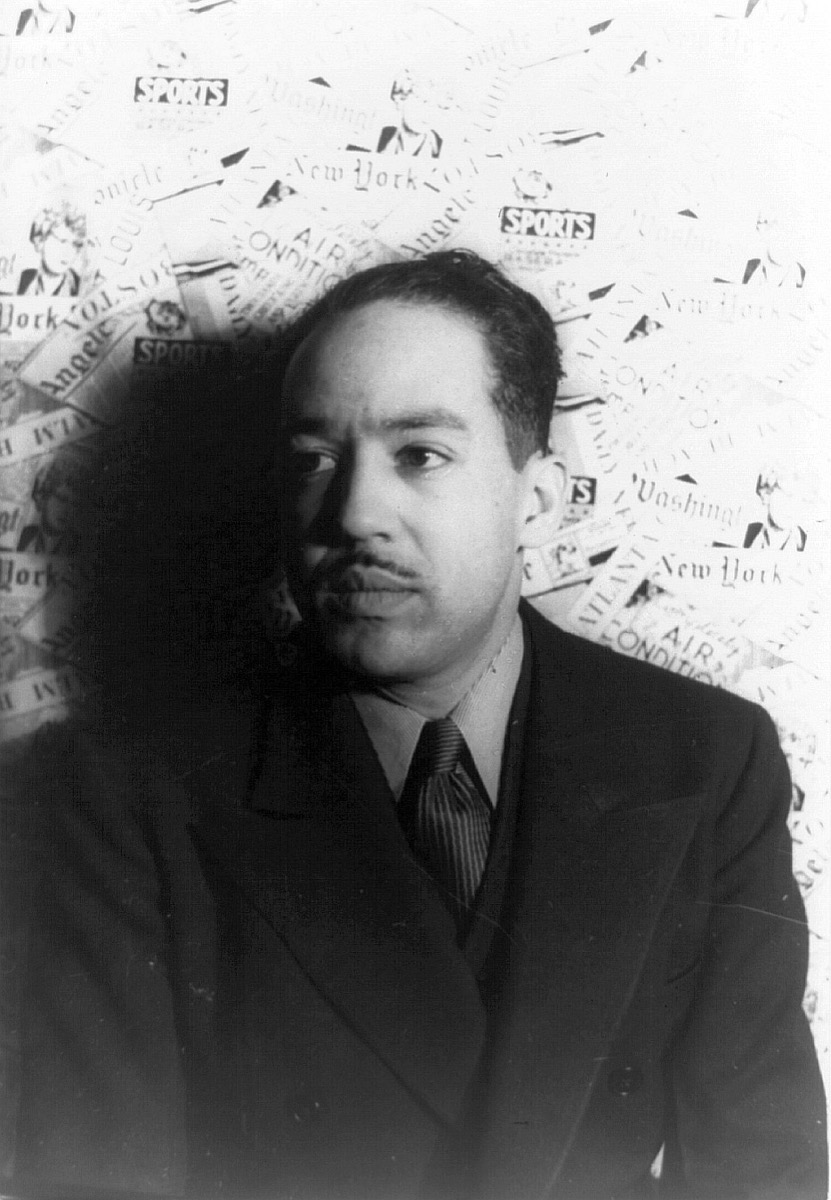
1967 · jazz
After that, other musicians took the song up, and here are a few of their versions. The first is jazz. On 1 June 1967, three years after Simone, the saxophonist Yusef Lateef recorded the song with his quartet in New York. He kept Simone’s spelling of the title and made the children’s game into a jazz piece.
Listen to Sylvia Shemwell’s tambourine: where the children’s game had clapping hands, Lateef’s piece has her tambourine.
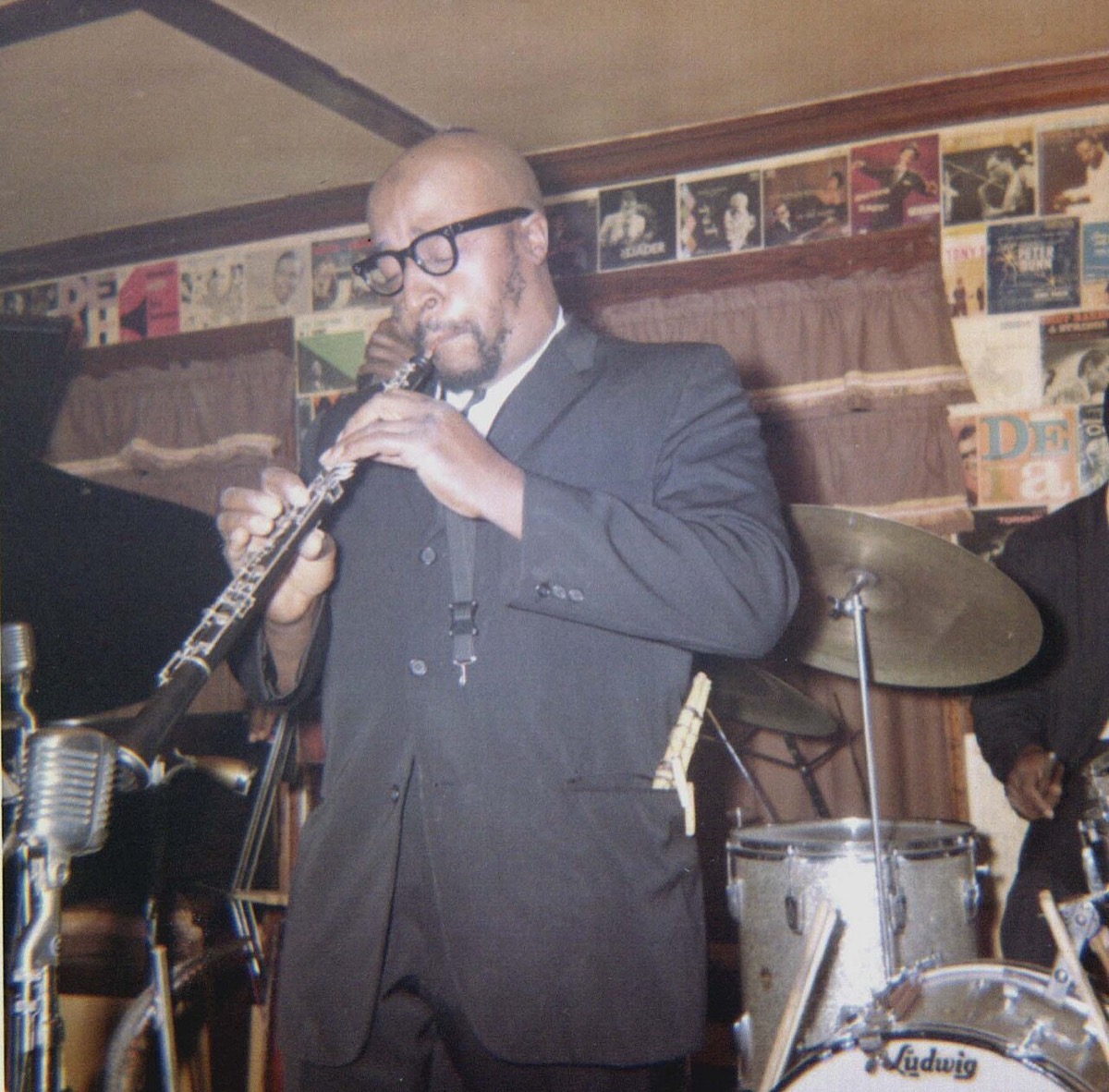
1967 · beat
In the same year, 1967, a beat group from the other side of the world took the song up: the Australians The Easybeats recorded it with the producer Shel Talmy. The record lists the song as traditional, arranged by the band’s guitarists Harry Vanda and George Young.
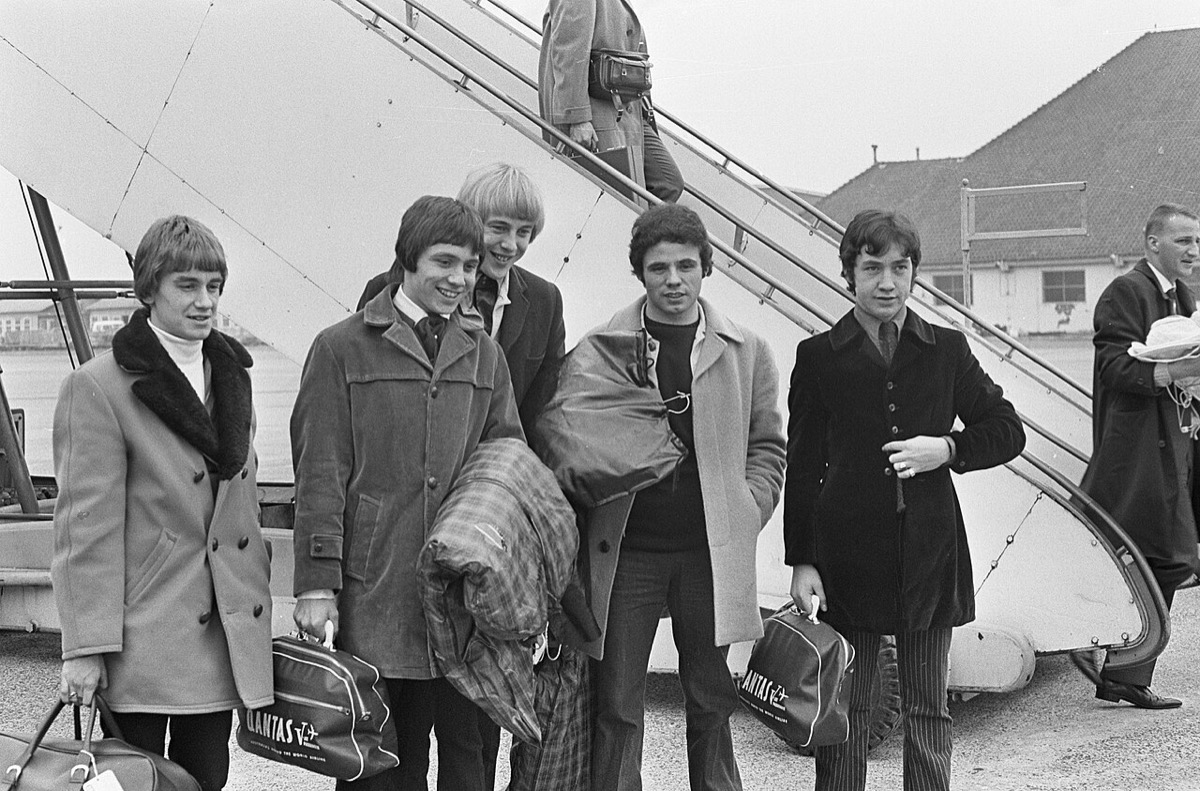
1997 → 2002 · house
Thirty years later the song reached the house clubs of New York. In 1997 the producers Kerri Chandler and Jerome Sydenham released it under the name The Songstress, and in 2002 Masters At Work made a club remix of Nina Simone’s own recording.
Listen to how one line of the refrain repeats over and over on top of an even kick drum, one beat on every count.

2007
The Canadian singer Feist came to the song not through Nina Simone but straight from the Shipp sisters. She found the 1939 field recording on a compilation and called her version “kind of a half cover of the little girls”, mentioning Simone’s famous version only after that.
The choir that claps and answers her on the record sings the part the second sister sang for the whole ring in 1939.
Listen to the choir answering each of her lines.

2008
In 2008 Kanye West built his song “Bad News” on a piece of Nina Simone’s recording. The rights to it were bought, and the album booklet says so: the song uses a piece of “See Line Woman” performed by Nina Simone, written by George Bass.
Once again the only author named is George Bass. The Shipp sisters, who sang the song in 1939, are not in the booklet.

2010
In 2010 the Bristol band Massive Attack released “Paradise Circus”. Handclaps taken from Nina Simone’s “See-Line Woman” run through the whole song. While the track plays, the ink line in the picture flashes with those claps and runs back to Simone’s record of 1964, and from it to the Shipp sisters’ recording of 1939.
“Paradise Circus” had versions of its own. The producer Gui Boratto rebuilt it as an eight-minute melodic techno track, the producer Burial as a twelve-minute piece, and the song itself became the opening titles music of the BBC series “Luther”. In 2023 two members of Massive Attack recorded it again with Ghostpoet for the film “Luther: The Fallen Sun”.
The album credits the drums to Jerry Fuchs. He died in Brooklyn on 8 November 2009, three months before the album came out.
1964
1939

2011
Burial’s rework came out in 2011 in a run of a thousand numbered records. The song sounds muffled in it, as if from far away, but the claps from Simone’s record can still be heard.
On screen
The song also made it to the screen: into films, series and a video game. Below are frames, year by year: scroll them sideways to see where it was heard.
All the versions
The text above names only a few versions. The song has about thirty, and the diagram below shows them all: each version is a circle with its year, and a line leads to the recording it took the song from. Press a circle to read the story of that version and, if it has an official recording, to listen to it.
The versions fall into two groups. Some musicians started from the 1939 recording: they put the Shipp sisters’ voices into their tracks, or sang the song the way the sisters did, a lead line and a chorus answering it. Others took the song from Nina Simone: her title, her arrangement or a piece of her recording.
Here the list of versions ends, and the claps fall silent.
In 1999 the Hollywood film “The General’s Daughter” came out, and the 1939 recording was heard in it: the voices of Christine and Katherine Shipp themselves.
Neither sister heard it: Christine died in 1966 and Katherine in 1978. Of everyone who sang at Nichols Chapel that May day in 1939, only their brother Isaac was still alive.
In 1998, at eighty-three, Isaac sang the song for the folklorist Stephen Wade, patting the rhythm with his hands. He sang verses of his own, not his sisters’: “Chop that cotton, sea lion, chop it good”.
The classroom
Today music teachers in American schools teach this song by the Kodály and Orff methods. And so that the children can hear where it came from, they play them the recording Christine and Katherine Shipp made in 1939.
The children stand in a ring and begin to clap.
Press “Clap together”: the 1939 recording will play, and over it the claps you left on the circle during the story, together with the claps of the children in the classroom.
A folk ring game.
Sung by Christine and Katherine Shipp.
Byhalia, Mississippi, 13 May 1939.
The whole world knows this song: Nina Simone and Feist sang it, Kanye West and Massive Attack built tracks on it, it plays in films and series. But the first time it was recorded, on 13 May 1939 in Byhalia, Mississippi, it was sung by two young women, Christine and Katherine Shipp.
Recordings and sources
- Sea Lion Woman (traditional ring game / playground song) — African American children, oral tradition (origin unknown)
Nobody knows where or when this game was born: it was not composed but handed on, from children to children, in the schoolyards of the American South. A leader sings a line, the ring answers with the words of the title, and every later version, however far it travels from the schoolyard, keeps that call and answer.
- Old Uncle Rabbit and Sea Lion Woman — Katherine Shipp and Christine (Christeen) Shipp; recorded by Herbert Halpert — 1939 loc.gov
The earliest sound of this song that has come down to us: two voices, no instruments, under a minute. Christine and Katherine Shipp sing the refrain, answering each other line by line, and between refrains the woman of the game drinks coffee, then tea. The folklorist Herbert Halpert recorded them on 13 May 1939.
- Library of Congress item record ihas.200196570 (JSON view)
- Stephen Wade, The Beautiful Music All Around Us (Univ. of Illinois Press, 2012), ch. 4 abstract
- Library of Congress, Mississippi collections guide: AFC 1939/005, recording dates and states
- Stephen Wade, The Beautiful Music All Around Us (2012), p. 120: the sisters' deaths (Google Books search preview)
- Discogs — A Treasury of Library of Congress Field Recordings (Rounder CD 1500, 1997), notes
- NPR, 'Shipp Family Singers' (July 10, 1998)
- Afro-American Blues and Game Songs (LoC Album IV / AFS L4), track 'Sea Lion Woman' — Katherine Shipp, Christeen Shipp (ed. Alan Lomax) — 1942 loc.gov
Three years later the Library of Congress first published the recording, in a set of 78-rpm discs called “Afro-American Blues and Game Songs”. That put the Shipp sisters’ voices on the same album as the first recordings of McKinley Morganfield, whom the world would soon know as Muddy Waters.
- See-Line Woman — Nina Simone — 1964
Nina Simone recorded the song in 1964 and respelled its title her own way, “See-Line Woman”. Her arrangement turned a playground game into a concert piece driven by percussion, with the circle’s call and answer intact. The record names George Houston Bass as the writer and Simone as the arranger.
- Discogs — Broadway - Blues - Ballads, Philips PHM 200-148
- MusicBrainz — work 'See-Line Woman' (writers; based on 'Sea Lion Woman'; recording date)
- U.S. Copyright Office, Catalog of Copyright Entries, vol. 18, part 5, no. 1 (1964), p. 535: EU812489, 20 February 1964
- Nadine Cohodas, Princess Noire (2010), p. 150: Hughes's recommendation (Google Books search preview)
- W. Jason Miller (NC State), 'The forgotten story behind Nina Simone and Langston Hughes' collaboration', The Conversation, 2026-10-03
- Mississippi Goddam / Sea Lion Woman (Philips 40216) — Nina Simone — 1964
In July of that year the song came out on a single, as the flip side of “Mississippi Goddam”. The label printed its title the old way, “Sea Lion Woman”, and the children’s game went out to radio together with one of the fiercest protest songs of the time.
- See Line Woman — Yusef Lateef Quartet — 1967
Three years after Simone the saxophonist Yusef Lateef recorded the song with his quartet, in New York on 1 June 1967. He took the title in Simone’s spelling and made the playground game into a jazz piece, with Sylvia Shemwell on tambourine.
- See Line Woman — The Easybeats — 1967
The same year the song moved into beat music: the Australian band the Easybeats recorded it, with Shel Talmy producing. The record lists it as traditional, arranged by the band’s guitarists Harry Vanda and George Young.
- A Treasury of Library of Congress Field Recordings (Rounder CD 1500), track 6 'Sea Lion Woman' — Christine and Katherine Shipp; compiled and annotated by Stephen Wade — 1997 loc.gov
For more than half a century the recording lay in the archive. In 1997 the folklorist Stephen Wade put it on a collection of the best Library of Congress field recordings, released by the Rounder label, and the sisters’ song began to be heard again.
- See Line Woman — Linda Tillery and the Cultural Heritage Choir — 1997
Linda Tillery and her Cultural Heritage Choir brought the song back to where it came from: community choral singing, almost without instruments. In the choir’s repertoire it sits next to songs from the same 1942 Library of Congress album.
- See Line Woman (See Line Woman Vocal / The Organ Grind / Muted Relaxation / Random Dub) — The Songstress (production: Jerome Sydenham and Kerri Chandler) — 1997
In 1997 the producers Kerri Chandler and Jerome Sydenham carried the song into New York deep house. One line of the refrain repeats endlessly over an even kick drum, and Bass is still credited as the author.
- She Began To Lie (The General's Daughter, opening track) + 'She Began To Lie (Re-mix)' — Christine and Katherine Shipp; produced/adapted by Greg Hale Jones (remix with Russell Ziecker) — 1999
It was from that collection that in 1999 the recording was licensed for the Hollywood film “The General’s Daughter”. The composer Greg Hale Jones reworked the real voices of 1939, and as “She Began To Lie” that music opens the film’s soundtrack album.
- See-Line Woman (Masters At Work Remix) — Nina Simone, remixed by Masters At Work (Louie Vega, Kenny 'Dope' Gonzalez) — 2002
In 2002 Masters At Work, Louie Vega and Kenny “Dope” Gonzalez, remixed Nina Simone’s own recording, stretching it to ten minutes. With that official remix the song settled for good into the club canon.
- See Line Woman — Randy Crawford & Joe Sample — 2006
The singer Randy Crawford and the pianist Joe Sample recorded the song in 2006 as grown-up soul jazz. Crawford said Sample set it in a sound that was “very modern, but real”.
- Sealion (a.k.a. Sea Lion Woman) — Feist — 2007
The Canadian singer Feist took the song from both ends of the chain at once. She called her version “kind of a half cover of the little girls” and named Nina Simone’s famous version second; the chorus that claps and answers her is the circle’s answer of 1939 once again.
- Sealion (Chromeo Remix) — Feist, remixed by Chromeo — 2007
- Bad News — Kanye West — 2008
In 2008 Kanye West set the drums of Nina Simone’s recording under his “Bad News”, slowed beneath electronic drums and a processed voice. The sample was officially licensed, and the album booklet names as writer neither Simone nor the Shipp sisters but George Bass.
- Paradise Circus — Massive Attack feat. Hope Sandoval — 2010
Through the whole of this song by the Bristol band Massive Attack, sung with Hope Sandoval, run the handclaps from Nina Simone’s “See-Line Woman”. The song later became the opening music of the series “Luther”.
- Paradise Circus (Gui Boratto Remix) — Massive Attack, remixed by Gui Boratto — 2010
The producer Gui Boratto rebuilt “Paradise Circus” into eight minutes of melodic techno: Sandoval’s voice stayed, and a new building grew around it.
- Paradise Circus (Burial rework), B-side of 'Four Walls / Paradise Circus' — Massive Attack vs Burial — 2011
The producer Burial reworked “Paradise Circus” into a twelve-minute piece. The record came out in 2011 in a run of a thousand numbered copies.
- See Line Woman — Meshell Ndegeocello (feat. Tracy Wannomae, flute/soprano sax) — 2012
Meshell Ndegeocello recorded the song for her tribute album to Nina Simone, “Pour une Âme Souveraine”, which credits Bass and Simone as writers.
- Sealion Woman — Marquis Hawkes — 2012
The house producer Marquis Hawkes built his track “Sealion Woman” around a sung version of the folk tune, deliberately rough, in the manner of ghetto house. Sources disagree on where the tune comes from: Resident Advisor calls it a new rendition of the folk song, WhoSampled a piece of Nina Simone’s recording.
- See Line Woman — Xiu Xiu — 2013
The experimental band Xiu Xiu recorded the song for an album made entirely of Nina Simone’s songs. The refrain stayed; the sound turned harsh and abrasive.
- See-Line Woman — Jools Holland & His Rhythm & Blues Orchestra with Laura Mvula — 2014
The singer Laura Mvula sang the song with Jools Holland’s big band, the refrain surrounded by brass and congas.
- See-Line Woman — Atjazz feat. Dominique Fils-Aimé — 2021
The producer Atjazz recast the song as deep house with a new voice, the singer Dominique Fils-Aimé. Here, for the first time, Nina Simone herself is credited as writer: the name on the song had changed again.
- See-Line Woman (Karizma's Last 1ne Dub / Dubstrumental) — Atjazz feat. Dominique Fils-Aimé, remixed by Karizma — 2021
The Baltimore house producer Karizma made a dub of the Atjazz remake, a third generation as far from the 1939 playground as the song could go.
- See-Line Woman (Cover) — credited to Yolanda Castillo (in-game radio, Far Cry 6) — 2021
In 2021 the song reached the video game Far Cry 6: a cover plays on the radio of the fictional Caribbean island of Yara, and so the song reached gamers.
- See-Line Woman (Riton Remix) — Nina Simone, remixed by Riton — 2022
The producer Riton made an official remix of Simone’s recording for a collection of her greatest songs and remixes released by Verve.
- Paradise Circus (Fallen Sun Version) — POST (Grant 'Daddy G' Marshall & Stew Jackson) feat. Ghostpoet — 2023
In 2023 two members of Massive Attack, Daddy G and Stew Jackson, re-recorded their song with Ghostpoet for the film “Luther: The Fallen Sun”.
- See-Line Woman — Danielle Ponder & Bryce Dessner — 2025
The singer Danielle Ponder and the composer Bryce Dessner recorded a version after Nina Simone’s, and in 2025 it opens the film “The Accountant 2”.
- See-Line Woman (Mochakk Mix) — Nina Simone, remixed by Mochakk — 2026
In 2026, when Verve declared a “year of Nina”, the DJ Mochakk made a remix that keeps her voice at the centre and rewrites the groove for today’s clubs.